Membrane Protein Structural Biology
Proteins and small molecules are translocated across lipid bilayers by integral membrane proteins that span the bilayer and facilitate translocation. Our lab centers around determining the atomic resolution structure of membrane proteins and complexes that function to transport materials across lipid bilayers. The primary focus of research in the lab is nutrient uptake mechanisms within Gram negative bacterial species. In addition to the structural and biochemical characterization of these ion transport system components, research in my lab also examines the membrane protein complexes that facilitate the proper insertion and assembly of these membrane protein transport components including surface anchored lipoproteins.
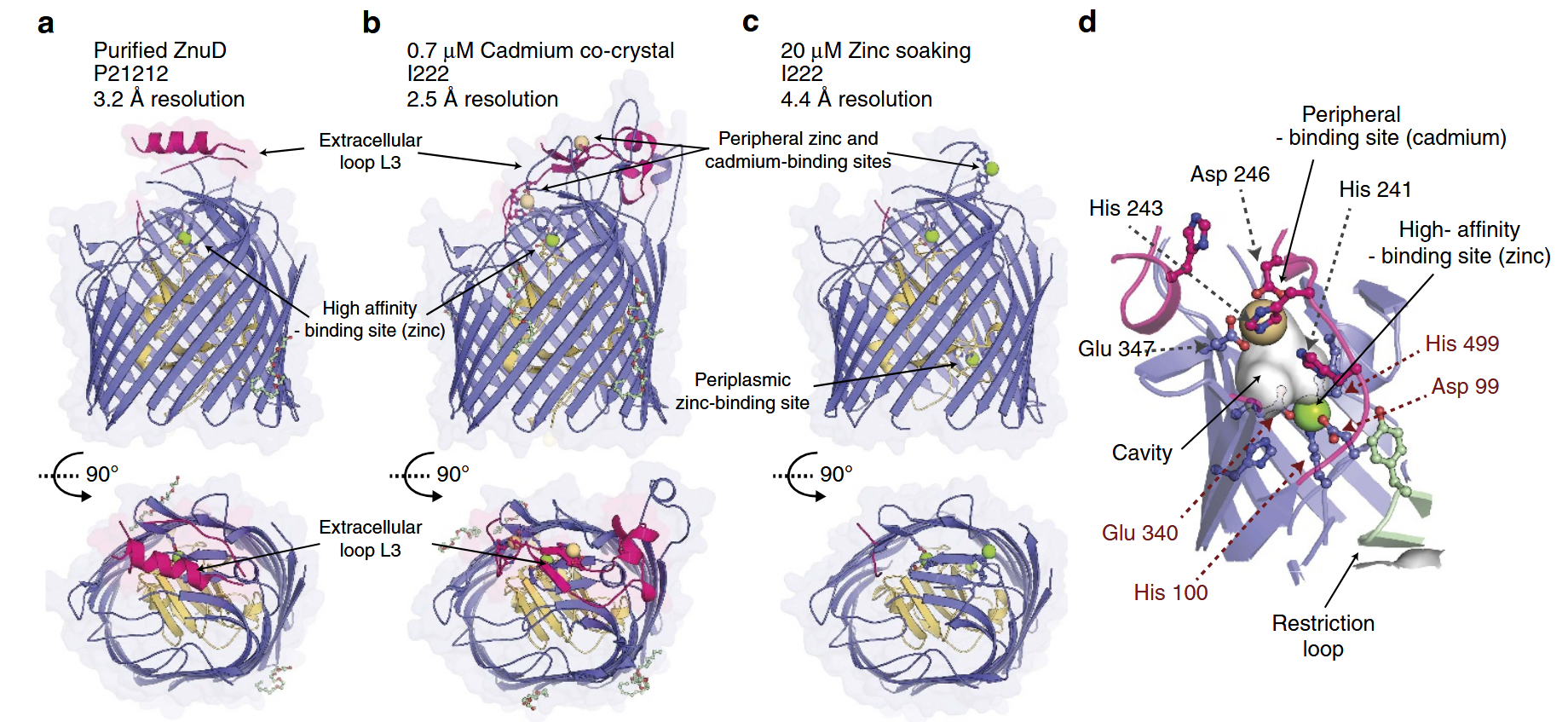
Our Research Projects
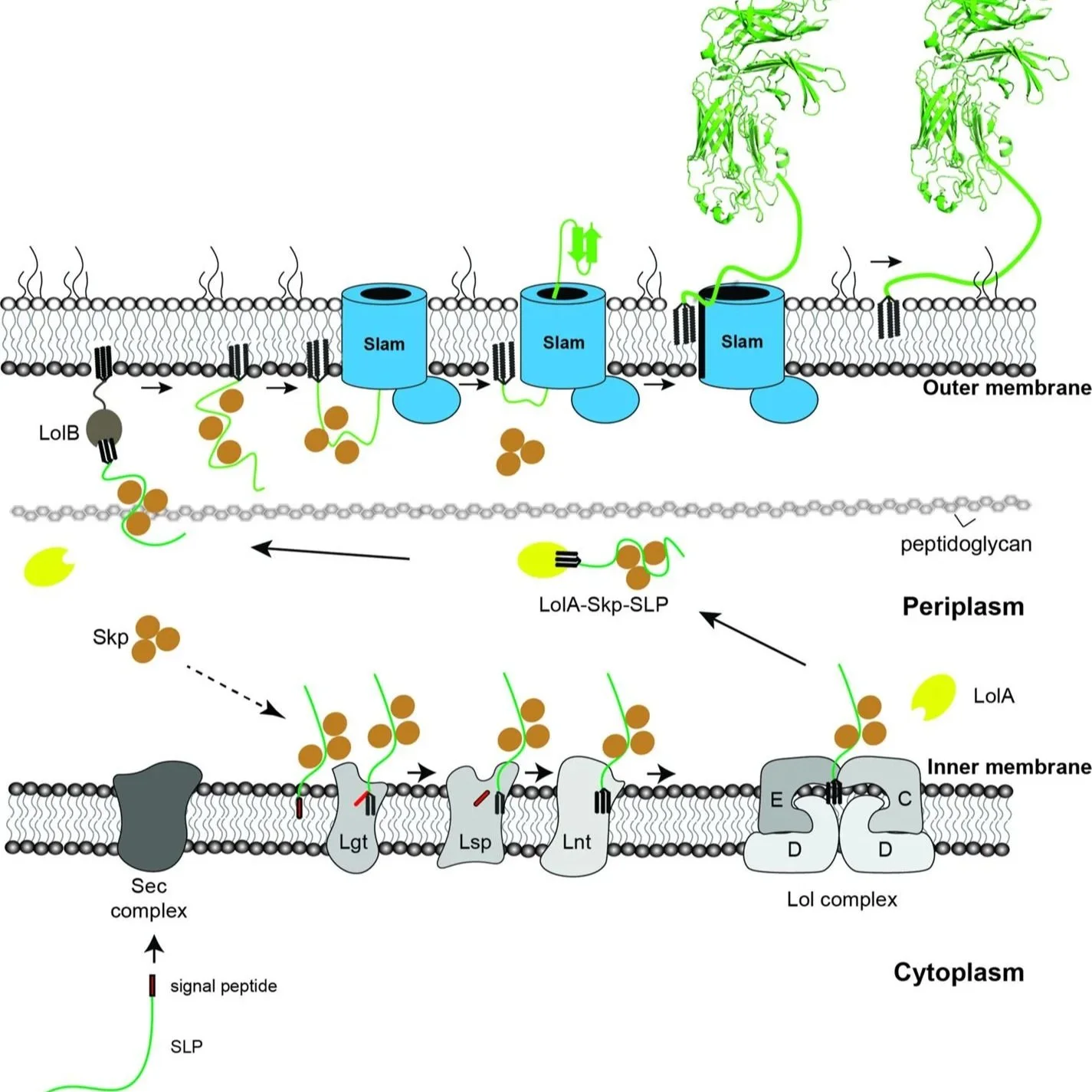
Slam-dependent surface lipoprotein translocation
Lipoproteins decorate the surface of many obligate host restricted Gram-negative bacterial pathogens, playing essential roles in immune evasion and nutrient acquisition. In Neisseria spp., the causative agents of gonorrhea and meningococcal meningitis, surface lipoproteins (SLPs) such as factor H-binding protein (fHbp) and transferrin binding protein B (TbpB) are required for virulence and are primary targets for broad-spectrum vaccine development since they elicit bactericidal antibodies. The surface lipoprotein assembly modulator (Slam) is required for the proper assembly of SLPs on the surface of Gram negative bacteria and is required for virulence. The mechanism of Slam and the translocation of SLPs is fundamental for the survival of these host restricted bacteria.
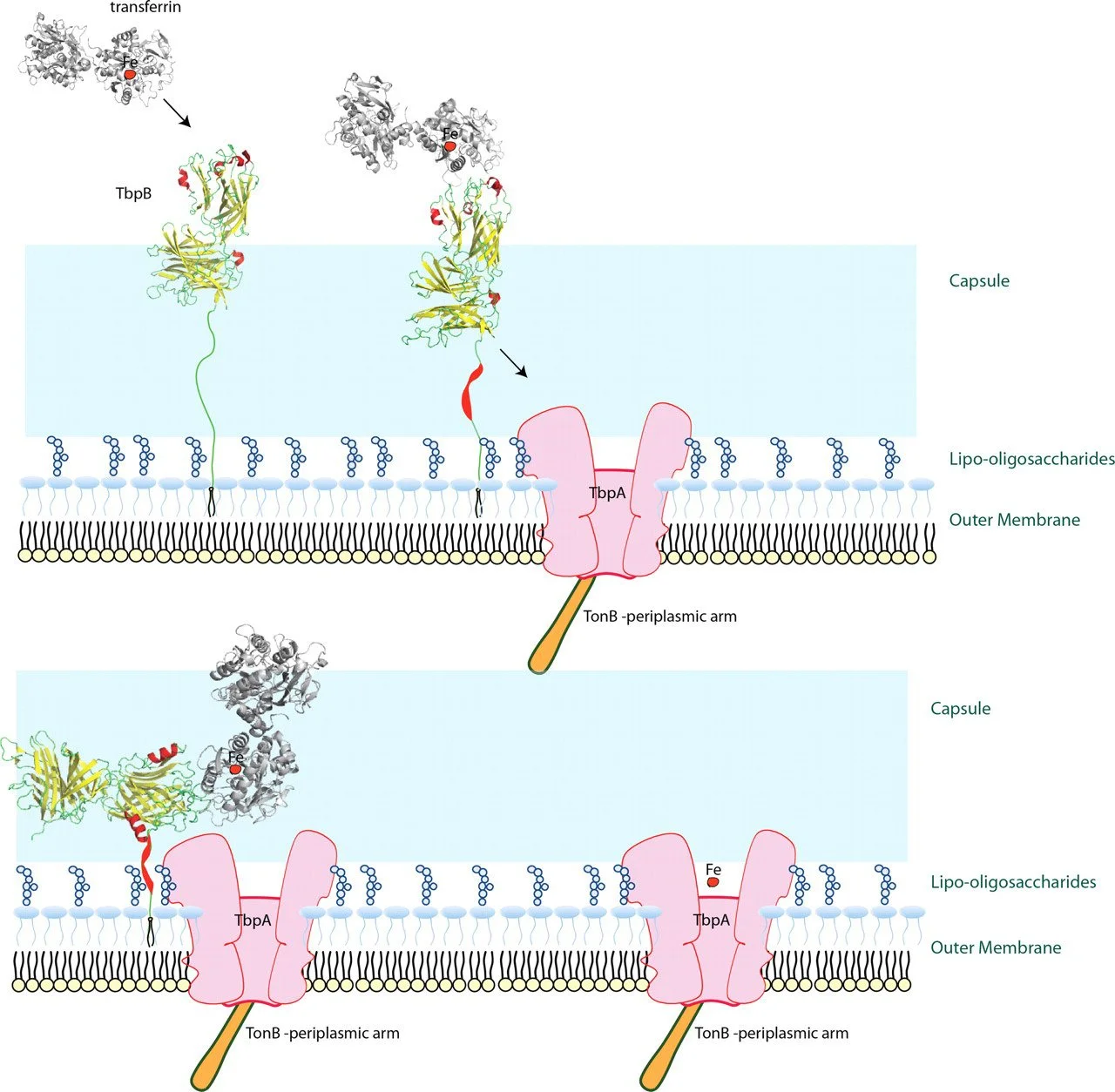
Iron acquisition through the bacterial transferrin receptor
In the vertebrate host, the level of free extracellular iron is well below that required to support the growth of bacterial pathogens, largely owing to the iron-sequestering effects of iron-binding glycoproteins transferrin and lactoferrin. Successful bacterial pathogens have developed high-affinity iron uptake systems capable of acquiring iron from transferrin and lactoferrin. Members of the Neisseriacea and Pasteurellaceae family including Neisseria meningitidis and Haemophilus influenza possess receptors consisting of the surface exposed lipoprotein TbpB and the integral outer membrane protein TbpA that bind transferrin and are involved in the retrieval and transport of iron across the outer membrane. Within the periplasm, the ferric binding protein, FbpA, binds iron and escorts it to the inner membrane ABC transporter where it is transported into the cytoplasm.
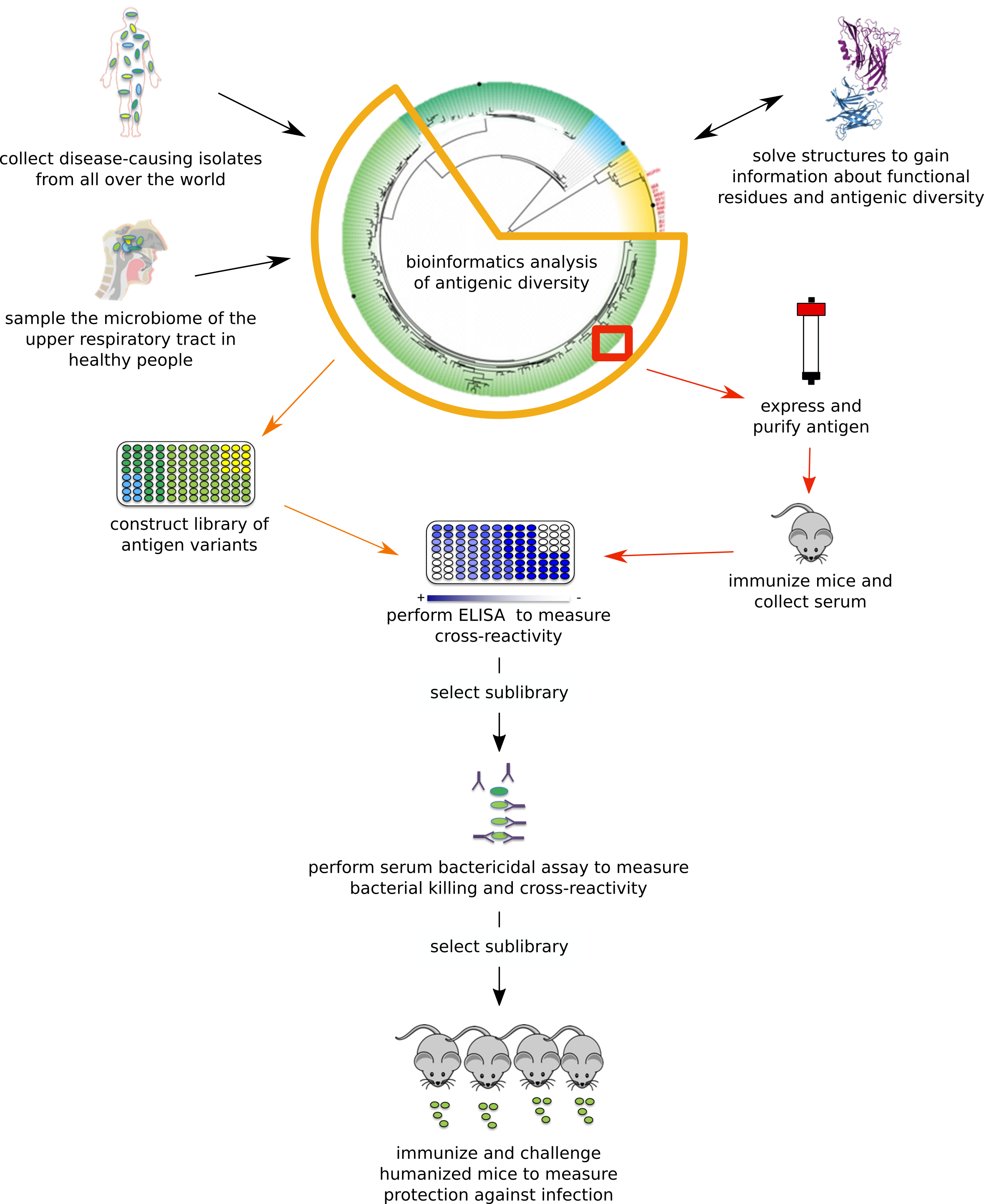
Engineering SLPs for Use in Vaccines
SLPs are located on the bacterial surface and involved in processes key to bacterial survival and virulence. We engineer SLPs to produce antigens that have the potential to be more protective against bacterial infections than their corresponding wild-type variants. Together with collaborators, we have constructed a vaccine development pipeline. Because our goal is to produce vaccines that are broadly protective, we select SLP orthologs from diverse bacterial strains, ensure that they can be expressed and purified in a soluble form, and test for their ability to elicit production of cross-reactive antibodies that and protect against infection in mice.